
Sandra Bell15 Jan 2026
Disinformation is the presentation of partial or false information with the deliberate intention of misleading someone.
This is one of a series of fact checkers exposing the disinformation spread by some right wing politicians about climate breakdown. It's imperative to challenge the spread of misinformation to ensure that the actions taken now, and that are needed in the future, aren't undermined. The threat of halting action to mitigate the impacts of climate breakdown is already here. Some councils under Reform UK control have already scrapped important climate plans, targets and commitments to act. This article looks at the economic arguments in favour of climate action and why an ideologically driven argument to overturn all net zero policies make no sense.
Why this matters
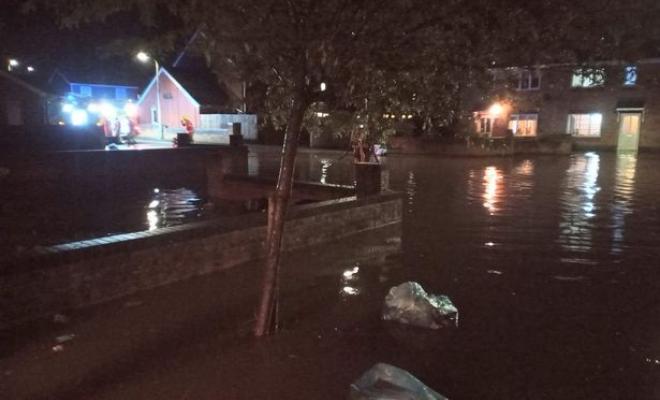
Reversing climate action would be dangerous and would exacerbate inequalities. There’s clear evidence that the impacts of climate change are already happening across the UK and the world and it’s often the people who’ve done least to cause it who suffer. In the UK, households on low incomes are less likely to be adequately covered by contents insurance and so are more financially vulnerable to flooding events.
The transition to a low carbon economy will cost money but it can be funded fairly by ensuring that the biggest polluters pay the most. Those with the most to lose are often the most vociferous opposition to climate action and who stand to benefit most when doubt is sown about the urgent need for Net Zero. There will be changes to our lives and the places we live - but there are significant benefits that can improve the quality of day to day lives such as cleaner air, better bus services, thriving nature, new jobs and warmer homes.
Examples of disinformation about the cost of net zero:
Andrea Jenkyns, Reform Mayor of Greater Lincolnshire, said in a speech at Reform’s East Midlands conference in January 2025, “I say no to [Energy Secretary] Ed Miliband bankrupting Britain with his net zero madness”
West Northamptonshire Council leader Mark Arnull, also of Reform UK, claimed net zero plans were “something we cannot afford”, saying “It’s not a case of denying climate change, it’s a case of being realistic with the public,” He also said there was “no budget”.
The Conservative party has also recently started to use similar arguments. Conservative leader Kemi Badenoch claims that the 2050 net-zero target would be “impossible’ without “bankrupting” the country and former Conservative Chancellor Philip Hammond claims that politicians have attempted to hide the cost of reaching net zero.
Economic arguments in favour of net zero policies
But taking no action or scrapping existing commitments to tackle climate change would cost more.
The Office for Budget Responsibility (OBR) has concluded that “the most recent data and updated modelling suggest that the damage to UK GDP from climate change is likely to be more severe than previously thought”. Failing to decarbonise will lead to higher costs from the impacts of climate change, including flooding, health problems, and damage to infrastructure. The OBR says that insurance premiums in flood risk areas could become increasingly unaffordable and this might require additional government support. Households in some areas may become uninsurable with many living in fear of the next extreme weather event – research by the Red Cross shows that only two in five people believe their community is prepared for a flood.
Flooding has already been very costly in Lincolnshire where Reform’s Andrea Jenkyns calls climate action "net zero madness". In 2024, the Environment Agency said that repairs to damage in Lincolnshire, caused by extreme weather over the previous year, would cost £45 million.
Public spending on net zero is an investment in economic growth
As the Chancellor of the Exchequer, Rachel Reeves said in her speech in January 2025: “There is no trade-off between economic growth and net zero. Quite the opposite. Net zero is the industrial opportunity of the 21st century, and Britain must lead the way.”
The CBI reported that the UK’s green sector is booming, growing 10% in 2024 — three times faster than the overall economy — and generating £83 billion in gross value added.The CBI pointed to some regions benefiting more strongly from net zero innovation. “By leveraging natural resources and industrial strengths, regions such as coastal areas for offshore wind farms and resource-rich zones for renewable energy production are creating thriving hubs of innovation”.
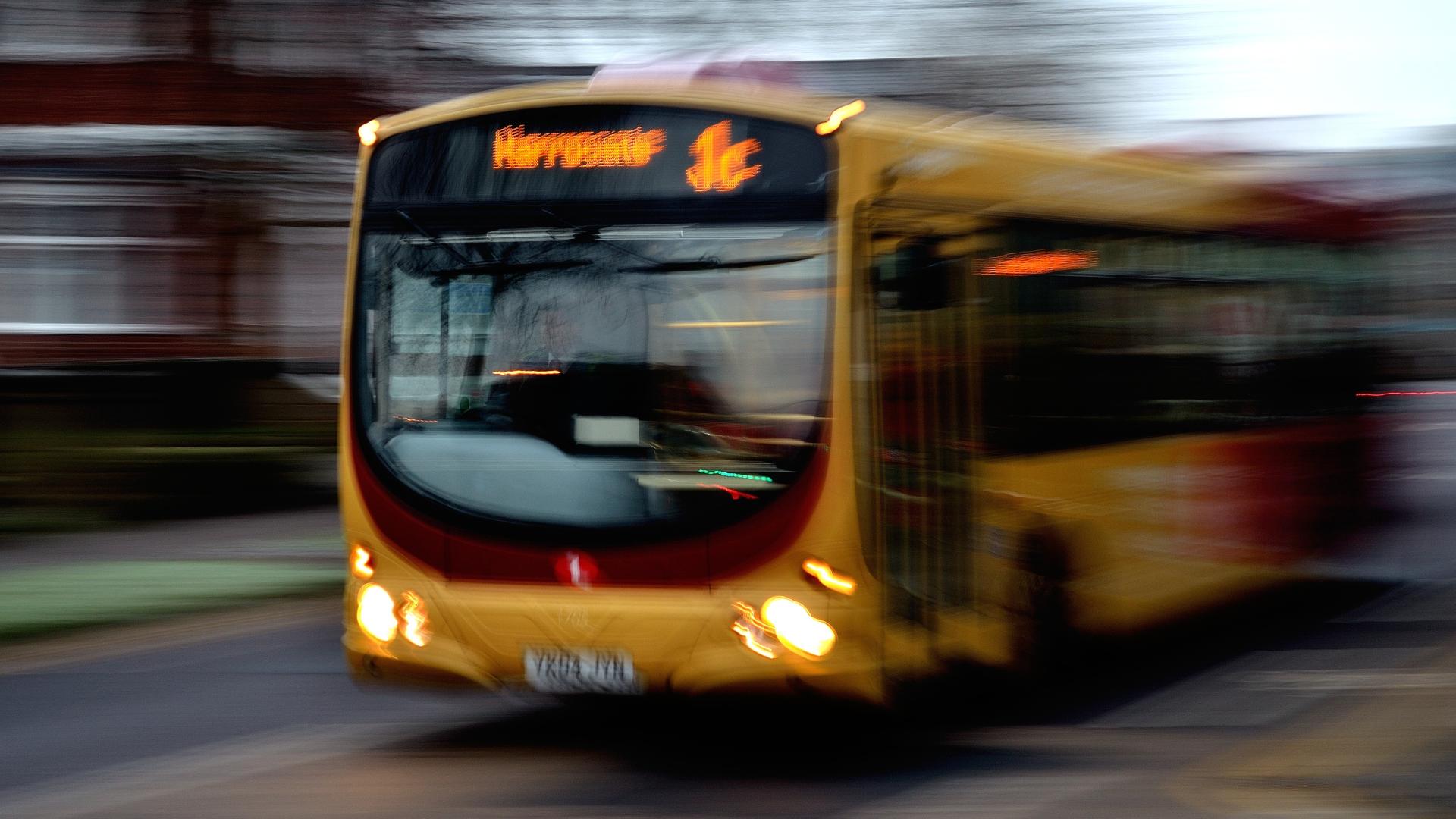
Reform UK talks in generic terms about scrapping all net zero policies and funding. But many actions to mitigate climate change have important community benefits. Improving bus services is an example of action to reduce climate change emissions. Better buses can help people access jobs and services, reducing social isolation as well as helping boost the local economy. Modelling by Centre for Cities found that improving public transport in 6 UK cities could bring £17 billion additional economic output per year in increased productivity. For West Yorkshire, more frequent bus services were the most impactful action, connecting an additional 110,000 people to the city centre.
Net Zero attracts significant private funding into the economy
Reform UK sources said the £225 billion figure of savings from ditching net zero projects was based on a report by the Institute for Government( IfG). But the IfG stressed that the bulk of this green investment, highlighted in the paper called “Paying for Net Zero” was actually due to come from the private sector, not public funds.
The Climate Change Committee says that the private sector can provide the majority of investment needed for mitigation measures between 2025 and 2045. In its 7th carbon budget report, the CCC said "We estimate that the net costs of Net Zero will be around 0.2% of UK GDP per year on average in our pathway, with investment upfront leading to net savings during the Seventh Carbon Budget period. Much of this investment is expected to come from the private sector".
The Confederation of British Industry (CBI) also points to the amount of private investment in the boosting of the green economy saying that “Private investment has played a pivotal role in driving this growth, with net zero businesses attracting £23 billion since 2019”.
Conversely, as the New Economics Foundation says “in other words Reform UK’s policies would likely destroy much needed investment into the UK economy”.
Local action brings multiple benefits and needs better funding
Whilst it’s true that many councils are facing tough financial decisions, the solution is not to scrap initiatives which bring benefits to their communities. Climate initiatives in West Northamptonshire (where Reform UK want to scrap everything net zero) include support for small businesses to achieve their sustainability goals – funded by a government grant and with the purpose of ”supporting sustainable economic growth”.
Local climate action needs to be supported via long term stable funding. However councils should also look at how they can raise revenue from net zero projects like Cambridgeshire County Council’s investment in solar energy. Councils can also look at innovative ways to fund climate change action like community bonds as Warrington Borough Council has.
Fair solutions
In the face of disinformation being spread by national, regional and local right-wing politicians, it’s legitimate to ask who would benefit from the UK rowing back on its climate commitments and continued investment in fossil fuels. It’s clear who loses out - weakening of climate action would hit ordinary people hard in terms of direct impacts like flooding. And backtracking on climate action also means losing out on positive measures that improve people’s lives.
Friends of the Earth is pursuing solutions to climate change that are fair so that everyone benefits and the costs fall on those with the broadest shoulders including:
- New polluter pays taxes – taxing polluting companies and the wealthiest individuals who produce the most emissions – could help to raise additional funds for climate action.
- Climate duty and funding for local government – Regional Mayors, Strategic and local authorities should have a climate duty to stop backsliding on climate commitments, but they also need long term stable funding and money raising powers to deliver local climate solutions.