
Sandra Bell 14 Jan 2026
In recent years, the political consensus for the goal of achieving net zero carbon emissions by 2050 has increasingly come under threat. Across the UK and beyond, climate targets have been attacked and disinformation spread by right wing politicians. Leading the attack on climate action here is Reform UK. At all levels from local councillors to the party leader, it has sought to undermine the scientific and economic case for the UK’s net zero commitments. Those on the right of the Conservative party have played their part too. Alarmingly, the attack is now going beyond words with some councils under Reform control already scrapping important climate plans and targets.
At the same time, some politicians are promoting hostile immigration policies and scapegoating refugees for the economic challenges that many people are facing. They ignore the reality that migration isn’t something to fear, it's something we’ve always relied on. Migrants support our NHS and our care services, help build our infrastructure and keep essential services running. Studies show migration boosts job creation and helps reduce government debt over time. Right wing narrative also exaggerates the UK’s role in providing a home for refugees - the UK is only home to around 1% of people who are forcibly displaced across the world.
Using disinformation as a political tool
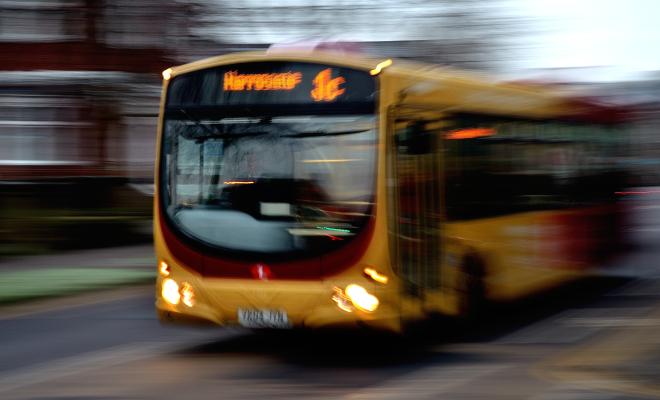
Yet a proliferation of misinformation is spreading, causing many to blame migrants and climate change policies for everything from the cost-of-living crisis to the state of the NHS. Evidence that climate-sceptic narratives have been used around election cycles suggests that we can expect more of the same in the run up to local elections in May 2026. Reform UK candidates blatantly attacked climate action in regional mayoral elections in 2025 with misleading claims. Right wing politicians like to portray climate policy as elitist and disconnected from ordinary people, focusing on the changes that will be perceived as negative - like restrictions on cars or replacing gas boilers - when in reality, climate policies will protect vulnerable communities from extreme weather and bring multiple benefits like warmer homes and better buses.
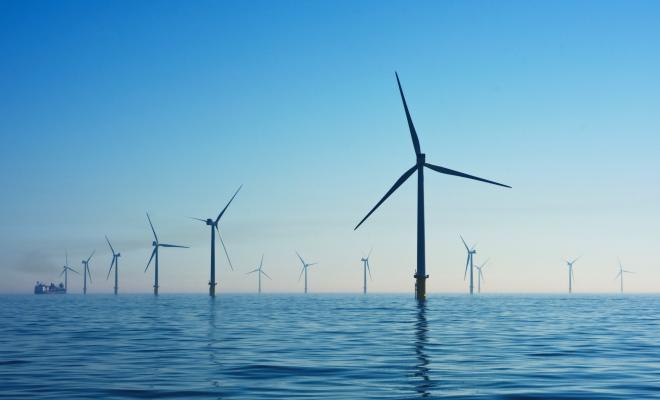
Do politicians saying they'll scrap net zero policies think they’ll gain more support from voters? This doesn’t add up. Support for climate action is high, particularly where the wider benefits of taking action are clear. A YouGov poll for Friends of the Earth found that 8 in 10 Brits would support the UK generating more energy, by expanding the UK’s renewable energy infrastructure. This included nearly two thirds (65%) of Reform supporters – despite Reform UK’s policy to scrap renewables. The YouGov survey found broad public support for fair climate policies – for example, there was majority support for improving bus services (80%), government support to help low-income households insulate their homes (77%), and measures requiring landlords to ensure rental homes meet minimum energy efficiency standards (84%).
Whilst climate action remains popular, research suggests that MPs underestimate public support for it. Disinformation could be a factor in this. A study of 100 MPs compared the MPs’ perception of public opinion with the results of an Ipsos poll on various policy measures including a frequent flyer tax and home energy efficiency measures – in all cases MPs assumed that support was much lower than was revealed in the opinion poll. Lisa-Maria Tanase, the lead researcher from the University of Cambridge commented that “It is plausible that politicians are influenced by the fact that they hear much more from those who stand to lose from green policies than from those who stand to gain.”
The evidence is clear – the right has got it wrong on net zero and climate change
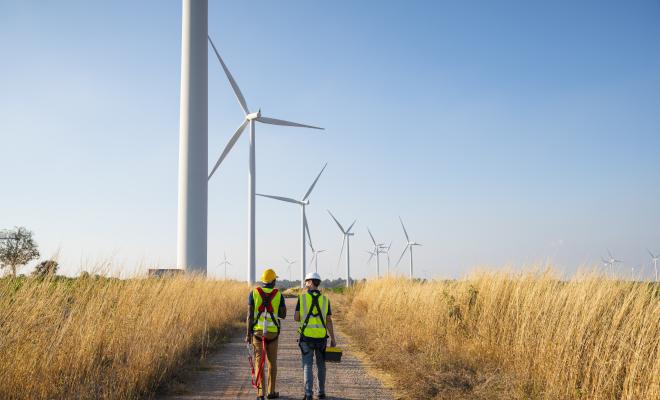
Whilst Reform UK spread fear about job losses in high carbon industries, the truth is that their policies would deliver significant job losses in the growing low carbon economy. CBI Economics estimates that 273,000 people are currently employed in net zero businesses directly across the UK and an additional 678,000 across the supply chains. Is Reform UK happy to see these jobs lost? The TUC in Wales describe Reform UK as a “serious threat” to Welsh industries and jobs.
Instead of tackling the cost-of-living crisis, insulating homes to bring down energy bills and taking action to create healthier places, some politicians on the right are trying to undermine the very solutions that are needed. They attack Clean Air Zones as a ‘war on drivers’ when such measures are needed to tackle the 30,000 deaths in the UK from air pollution every year. They attack renewable energy when it’s the cheapest, cleanest form of energy we have.
The transition to a low carbon economy will cost money but it can be funded fairly by ensuring that the biggest polluters pay the most. There will be changes to our lives and the places we live, but there are significant benefits associated with the actions that we need to take: clean air, better bus services, thriving nature, new jobs and warmer homes.
Why it matters
There is clear evidence that the impacts of climate change are already being felt across the world. From floods in Pakistan to heatwaves and wildfires across Europe, extreme weather is killing people or forcing them to leave their homes. It’s often the people who did the least to cause the problem who are most impacted. It’s irresponsible for politicians to say that climate change is ‘not a bad thing’ or to deny that it’s happening at all. Here in the UK, households on low incomes – the very people that Reform UK claim to represent - are often hit hardest by extreme weather events, and most UK farmers now say that climate change could damage their ability to make a living.
It's imperative to expose disinformation about climate breakdown to ensure that the actions that are being taken now, and that are needed in the future to keep our planet safe, are not undermined. It’s vital that the UK is a global leader – our position is crucial not just to curb our own emissions but to influence all high emitting countries to act.
Fair Solutions
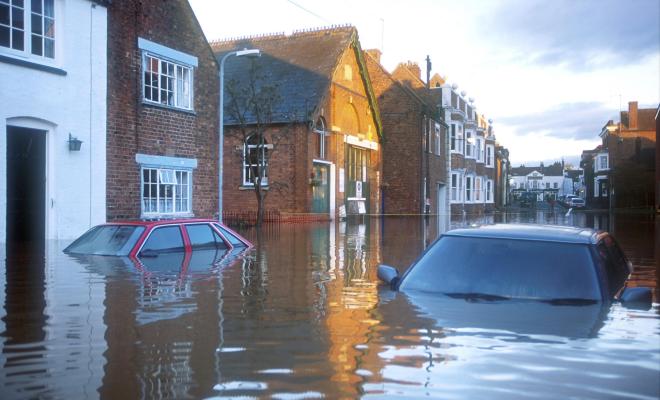
In the face of disinformation being spread by national, regional and local right-wing politicians it’s legitimate to ask who would benefit from the UK rowing back on its climate commitments and continued investment in fossil fuels. It’s clear who loses out - weakening of climate action would hit ordinary people hard in terms of direct impacts like flooding. And backtracking on climate action also means losing out on positive measures that improve people’s lives.
Friends of the Earth is pursuing solutions to climate change that are fair so that everyone benefits and the costs fall on those with the broadest shoulders including:
- A strong adaptation plan to protect against existing and predicted climate impacts that focuses on the people most vulnerable to those impacts.
- A robust and fair strategy to reduce the UK’s emissions in line with our existing legal commitments.
- A fair contribution from the UK to the costs of mitigation and adaptation globally.