
Sandra Bell 28 Jan 2026
It’s imperative to challenge disinformation to ensure that the actions taken now, and those needed in the future, are not undermined.
The threat of halting action to mitigate the impacts of climate breakdown is already here. Some councils under Reform UK control have already scrapped important climate plans and targets.
This article looks at the benefits of a well-planned transition to electric vehicles and challenges claims that this transition, or traffic reduction measures, are a ‘war on drivers’.
Examples of disinformation about electric vehicles and traffic restrictions
Reform UK’s 2024 general election manifesto includes a section called ‘Stop the War on Drivers’. In this it includes “Scrapping Net Zero means no more bans on petrol and diesel cars and no legal requirements for manufacturers to sell electric cars”.
In the same section of the manifesto Reform says it will ban ULEZ Clean Air Zones and Low Traffic Neighbourhoods and scrap 20 mph zones unless “safety is critical”.
In 2024 Elaine Williams, Reform Mayoral candidate for the West Midlands, claimed that “Low traffic neighbourhoods, the Clean Air Zone and other anti-car measures are seriously damaging our businesses” and claimed that “Getting rid of these restrictions will attract more businesses to set up in the West Midlands”.
Reform-led Kent County Council’s Department for Local Government Efficiency (DOLGE) claims they will save £7.5 million by 2030 by scrapping plans to convert the council’s fleet to electric.
Llyr Powell, Reform UK’s candidate for a by-election in South Wales in September 2025, stated he hopes to scrap the “controversial 20mph default speed limit,” saying it has deterred business investment and adversely affected local drivers, especially taxis and buses.
The transition to electric cars is not a 'war on drivers'
EVs are an essential tool in helping to cut emissions.
The transition to electric vehicles (EVs) is a key part of the UK’s plan to cut climate change emissions. Switching to EVs will also cut air pollution which disproportionally affects low income neighbourhoods.
Owners of electric cars are also drivers, and they are a growing group – they include Reform’s Richard Tice who drives a Tesla. Uptake of fully electric cars is rising and accounted for 23.4% of all new car registrations in 2025. This is drivers making a choice - no one is forced to buy an EV and up until 2030 new petrol and diesel cars will still be available and hybrids and second-hand vehicles after that.
Switching to EVs is cost effective over time for councils and individuals
The upfront cost of buying a second-hand electric car has reached price parity with petrol cars for many models and is cheaper for some. It’s true most people can’t afford the upfront costs of a brand-new car, whether petrol or EV. But the additional cost of an EV is relatively small. Even with a government grant, EVs will currently be unaffordable for many drivers. But the government could address this in the short term, for instance with a social leasing scheme. In the longer term, as manufacture of EVs increases, the prices will come down.
Electric cars are cheaper to run than petrol or diesel. Analysis by the Energy and Climate Intelligence Unit (ECIU) showed that even with a new mileage tax (of 3p per mile) EVs would still be £1,000 cheaper to run per year than petrol cars. Charging an EV at home can cost around half the price of filling up a petrol vehicle. Charging at a public charging point costs more but the Government is working with Ofgem to reduce the price and improve access to charging points – addressing regional inequalities needs to be a priority.
Switching to EV fleets can also be cost effective for councils, contrary to the claims of some Reform UK councillors, Leeds city council started converting its fleet in 2016 and has found that the cheaper running costs over time cancel out the higher purchase cost. As the Committee on Climate Change says “Electric Vehicles will be significantly cheaper than petrol and diesel vehicles to own and operate over their lifetime, so any undermining of their rollout will ultimately increase costs to motorists”.
Measures to restrict cars bring significant health benefits and can be good for business
Switching to EVs is not the only solution - better public transport and infrastructure for walking and cycling are needed to cut emissions and create safer, healthier places. Measures to restrict car use are introduced to improve residents’ health, they're not a war on drivers. 30,000 people in the UK die annually from dirty air, and fumes from cars are a major air pollutant.
Clean air zones are designed to deter the most polluting vehicles - not all vehicles - and research from the UK and beyond shows they work. The Ultra Low Emission Zone expansion in London has cut nitrogen dioxide emissions in particular, improving lives in some of the most deprived communities in London. There’s an estimated 80% reduction in people exposed to illegal levels of pollution.
Low Traffic Neighbourhoods (LTNs) have brought many benefits including cleaner air, more walking and cycling, reduction in road casualties and reduction in crime. Although LTNs can be controversial when they are initially proposed, a poll of Londoners showed that 58% of respondents were supportive. Good engagement with communities, including local businesses, is important to ensure that the design of the LTN measures works for the people that'll be impacted.
Measures to restrict cars can free up road space and cut congestion helping to improve the efficiency of public transport and the safety of walking and cycling. This not only helps people who don’t have access to a car, but can also enable drivers to switch to public transport for some journeys. The majority of drivers also want better public transport and would use it more if it was improved.
Car-free areas make a city more attractive, healthier and accessible by foot, bike and public transport which in turn attracts more people to live, work and spend money there. Businesses can also benefit from measures that cut congestion. In Nottingham, for example, the parking levy has cut congestion growth by 47%, reducing the time that employees and goods spend stuck in traffic.
20mph zones cut traffic injuries and deaths
The 20mph speed limit in Wales was introduced to reduce casualties and improve health. And the move has been welcomed by public health experts for reducing road casualties. So it’s troubling that some politicians choose to frame it as a ‘war on drivers’. Research shows that around 100 fewer people were killed or seriously injured in the first year. The scheme has been controversial, although surveys prior to introduction showed that around two-thirds of people supported a 20mph speed limit where they live. Bus services are now being timetabled to consider the speed limit and no solid evidence of negative impacts on businesses has been provided by Reform UK. The Welsh Government’s research into economic impacts found that journeys would only be delayed on average by one minute and the estimated reduction in casualties each year could provide around £92m in prevention savings.
Why this matters
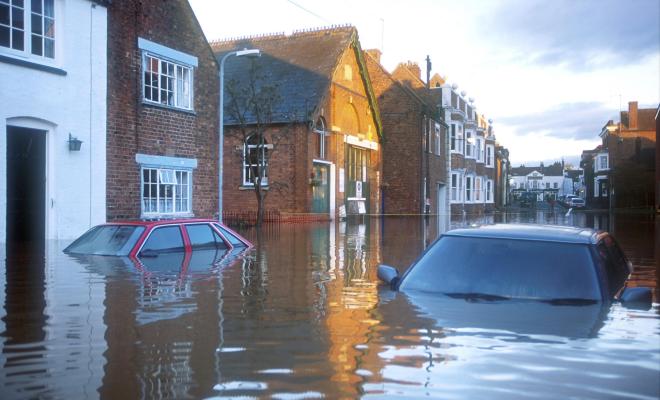
Reversing actions that help mitigate climate breakdown is dangerous and would exacerbate inequalities. There’s clear evidence that the impacts of climate change are already happening around the world and are being felt here in the UK. It’s often the people who’ve done least to cause it who suffer. For example, in the UK households on low incomes are less likely to be adequately covered by contents insurance and so are more financially vulnerable to flooding events.
The transition to a low carbon economy will cost money but it can be funded fairly by ensuring that the biggest polluters pay the most. Those with the most to lose are often the most vociferous opposition to climate action - and who stand to benefit most when doubt is sown about the urgent need for it. There 'll be changes to our lives and the places we live. But there are significant benefits that can improve the quality of day to day lives - such as cleaner air, better bus services, more nature, new jobs and warmer homes.
Fair solutions
In the face of disinformation spread by national, regional and local right-wing politicians, it’s legitimate to ask who would benefit from the UK rowing back on its climate commitments and continued investment in fossil fuels. It’s clear who loses out - weakening of climate action would hit ordinary people hard in terms of direct impacts like flooding. Backtracking on climate action would also mean losing out on positive measures to improve bus services, insulate homes and provide a cheaper home-grown supply of energy.
Instead of complaining about a mythical ‘war on drivers’ politicians should get behind solutions that make EVs more affordable to all, improve health, make cities more pleasant places to live and save lives.
Electric Vehicles
The following measures would make the transition to EVs more affordable and accessible and are described in our report Fairness test for climate policy:
- Scrappage scheme to help drivers pay for the transition to an EV car
- Social leasing of EVs.
- Lowering the price of public charging points for EVs
- Ensuring that roll out of public charging infrastructure is more equal across the country
- Making public charging points accessible to disabled people
Safer roads and better public transport
- Genuine local engagement before introducing Low Traffic Neighbourhoods
- Keep the 20mph in Wales with flexibility for local authorities
- More investment in public transport, walking and cycling including reversing the decline in bus services