
Sandra Bell03 Feb 2026
It is imperative to challenge disinformation to ensure that the actions taken now, and those needed in the future, are not undermined.
The threat of halting action to mitigate the impacts of climate breakdown is already here. Some councils under Reform UK control have already scrapped important climate plans and targets.
This article looks at the economic and energy security arguments in favour of renewable energy and its reliability. And why claims that we can’t keep the lights on without fossil fuels are alarmist and don’t stand up to scrutiny.
Disinformation about renewable energy
Reform UK leader Nigel Farage claimed that the Spanish power cuts in Spring 2025 were a warning for the UK, saying “the lights are going to go out here too” if Britain carries on with “renewable lunacy”.
Following the May 2025 local elections when it took control of several councils Reform UK said it would "use every lever to block new wind, solar and battery projects" as well as banning battery energy storage systems. Deputy Leader Richard Tice went as far as telling potential renewable energy developers "You need to be under no illusion. This is war. We will wage war against you people and your terrible ideas".
Zia Yusuf has called oil and gas reserves in the North Sea a “gift from god” and argued that not drilling those reserves is a “catastrophic act of self-harm” for Britain.
Reform UK’s Manifesto says that it will support “Cheap, Secure Energy for Britain” by fast-tracking licences of North Sea gas and oil and granting shale gas licences on test sites for 2 years. Following shale gas testing they intend to “Enable major production when safety is proven, with local compensation schemes”.
Why renewable energy is fundamental to the UK’s energy security
Warnings about the lights going out are a long way from reality
The UK is already making great strides towards being powered by renewables. In 2024 for the first time over half our energy was produced by renewables. In 2025 a record 87 hours Great Britain was fully powered by clean energy.
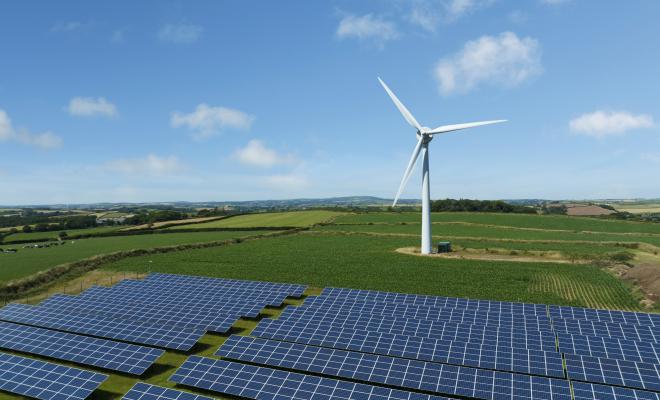
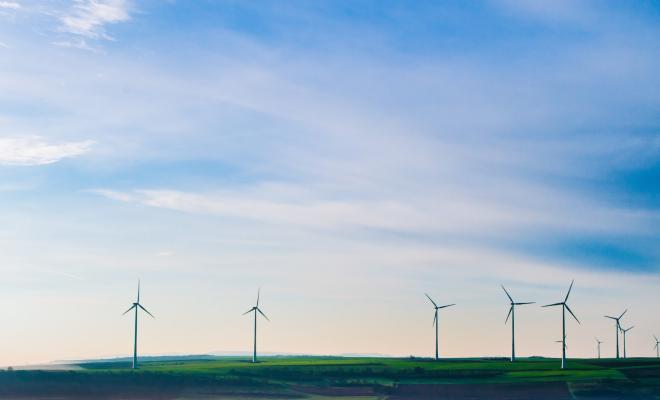
We have the potential to produce a lot more. Analysis by Friends of the Earth shows England alone has enough onshore wind and solar capacity to produce 13 times today’s output. Combined with other renewable energy sources, such as offshore wind - where the UK has one of the world’s greatest resource potentials - and rooftop solar, the UK can generate more than enough electricity for all its needs from renewable sources.
The UK also has untapped potential in tidal and wave energy - predictable sources that can complement wind and solar. A diverse energy system is more robust than reliance on imported gas or a limited number of power stations.
Renewables are fast and cheap
Renewable technologies are quick to build compared to fossil fuel or nuclear plants. They don’t require large, centralised projects like fossil fuel plants and they can plug into the existing power grid. Nuclear power plants in the UK have been dogged by long delays and costs and there’s no evidence that Small Nuclear Reactors will be a fast way to deliver clean energy. Nor that they would be popular when they’re sited in communities.
Another big benefit of renewables is that wind and solar are now the cheapest forms of new electricity generation in the UK. The economic viability of new fossil fuel extraction in the UK would only be possible with massive state support, so the extraction companies would profit while ordinary taxpayers shoulder the burden. This is because the remaining gas reserves are the ones that are harder and therefore more expansive to extract. And it’s important to note that just because they're in our territorial waters doesn’t mean that they're ‘our’ oil and gas. They're drilled by global companies, and the price is determined globally - these companies won’t sell it to the UK for less than the market price.
Making renewables even more reliable
It’s true that there will be periods when supplies of energy from the sun and wind are out of sync with the country’s electricity demands. Sometimes they’ll produce more than we need and sometimes too little – the solution is to make sure we can store the energy.
It doesn't make sense to talk about the variability of renewables generation at the same time as banning battery energy storage systems. In the future there’ll be times when the supply of electricity from renewables exceeds demand. Batteries can stockpile this electricity for periods of lower generation. Alternatively, and more suitable for long term storage, power can be converted into hydrogen gas to cover dips in renewables production.
We can also collaborate across Europe. As Hannah Ritchie says in her book Cleaning the Air “…sunny Spain could help the UK when it’s cloudy, and the UK could return the favour when it’s windy”. This will require improvement to transmission networks across national boundaries. Better integration would have helped avoid the blackout in Spain. Both the Spanish government and the grid operator have confirmed that the blackout wasn't due to reliance on renewables.
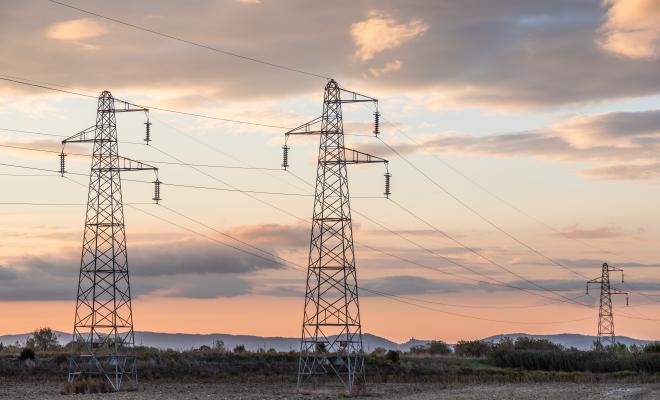
It's also true that improvements to the electricity grid will be needed within the UK with too many renewables projects facing long waits for connection to the grid – but the National Energy Systems Operator (NESO) is now working with the renewables industry to improve this.
Fossil fuels are not the solution environmentally or economically
Globally, new fossil fuel extraction risks missing climate change targets which will result in an unsafe level of warming. – It’s imperative that the UK leads the way in rejecting new drilling for oil and gas.
What’s more the most productive and economically valuable days of the North Sea are in the past. The UK has used over 85% of its economically viable gas reserves so even if Reform UK reversed current energy policy, North Sea gas would no longer be able to meet our heating needs. Far from increasing energy security, scrapping renewables in favour of a reliance on fossil fuels would mean vastly increasing our reliance on imported energy. The UK government has acknowledged this in its new North Sea Future Plan by closing the door on new exploration (although drilling will be allowed adjacent to existing fields) - now it needs to ensure that it puts in place a plan for workers to transition to new jobs.
Fracking is not a better option for energy prices or energy security than renewables. As a small and densely populated country the UK is not suited to the vast numbers of wells that would be needed to extract the shale gas. It’s ironic that Reform UK would be happy to see fracking wells across our countryside when they complain that wind turbines and solar panels destroy the landscape. UK shale gas reserves are also limited – especially compared to major producers like the US, Norway, China, Qatar and Russia - there won’t be enough to affect the global market price. There's also no guarantee that any gas fracked in the UK would be used here. The gas price is set at the global level, and companies will sell it to us at that price.
Why this matters
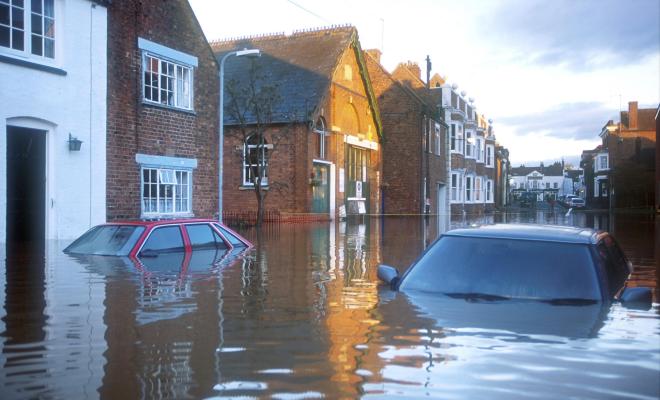
Reversing climate action by blocking new renewable energy and battery storage projects would be dangerous. There’s clear evidence that the impacts of climate change are already happening across the UK and the world and it’s often the people who’ve done least to cause it who suffer. In the UK households on low incomes are less likely to be adequately covered by contents insurance and so are more financially vulnerable to flooding events.
The transition to a low carbon economy will cost money but it can be funded fairly by ensuring that the biggest polluters pay the most. Those with the most to lose from the transition to net zero are often the most vociferous opposition to climate action and who stand to benefit most when doubt is sown about the urgent need for it. There are significant benefits to clean energy that can improve the quality of day to day lives such as cleaner air, thriving nature, new jobs and warmer homes.
Casting doubt on the reliability of renewable energy in favour of fossil fuels undermines investment certainty and would contribute to a dangerous increase in UK carbon emissions.
Fair solutions
In the face of disinformation being spread by national, regional and local right-wing politicians, it’s legitimate to ask who would benefit from the UK rowing back on its climate commitments and continued investment in fossil fuels. It’s clear who loses out - weakening of climate action would hit ordinary people hard in terms of direct impacts like flooding. Backtracking on climate action would also mean losing out on positive measures to improve bus services, insulate homes and provide a cheaper home-grown supply of energy.
Instead of throwing out the best option we have to generate cheap clean energy and improve our energy security, we should focus on putting solutions in place to make sure we take full advantage of renewable energy sources and that households benefit from cheaper energy including:
- Fully switch from fossil fuels to renewable energy
- Ensure communities benefit financially from new renewables via a discount on energy bills
- Investment in long term energy storage
- Investment in the electricity grid
- Transition plan for North Sea oil and gas workers