


Nature's in trouble across Europe: Why the EU must stop backtracking
Paul de Zylva 11 May 2026
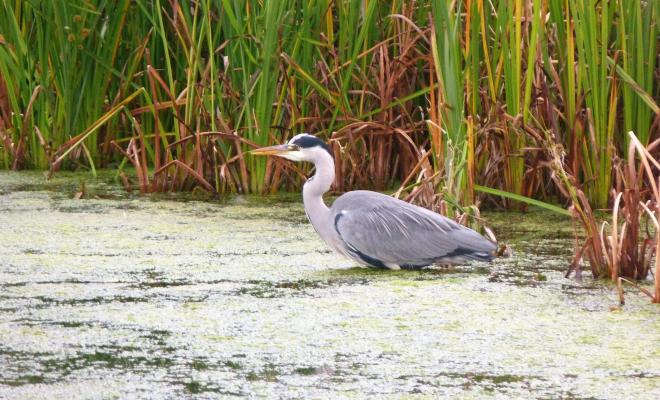
Senior Policy Analyst Paul de Zylva examines the state of nature in Europe and exposes how the European Commission and Member States are backing away from the urgent action needed to save our wildlife.
How Britain became one of the most nature-depleted countries in the world
Paul de Zylva 20 Apr 2026
Can a country truly claim to be a global climate leader while its own nature crumbles? Paul de Zylva, Friends of the Earth’s Senior Nature Analyst, investigates the gap between the UK’s green rhetoric and the grim reality of its biodiversity collapse. Britain’s natural wealth is in ruins, and as the 2030 deadline approaches, here’s what we need to do to reverse the damage.

Timber and wood products: End exploitation by big business
25 Mar 2026External link
We use wood in all kinds of products, from fuel to furniture. But of all the resources imported into the UK, timber has the largest land footprint. Every year, in places like Brazil and China, an area larger than Scotland is being deforested just to meet the UK's demand.
The Trouble with Timber: Scrutinizing the Effectiveness of Sustainable Certification in Peninsular Malaysia
24 Mar 20263.72 MB PDF fileDirect download
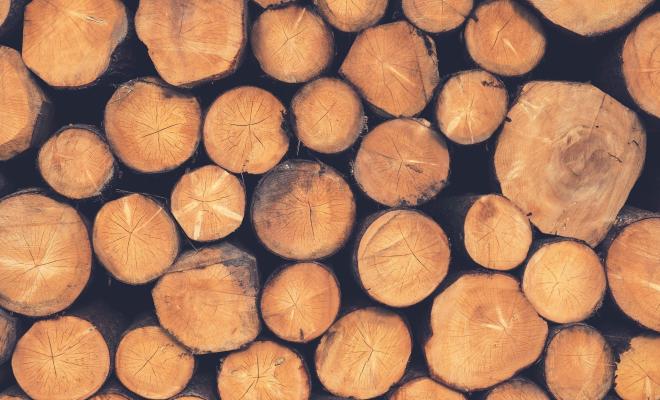
Malaysia exported nearly USD5.4 billion of timber in 2024 from MTCS/PEFC‑certified forest management units in Peninsular Malaysia, but this report finds that weak, state‑level auditing and oversight severely undermine the credibility of those certifications. It finds that certified timber is at clear risk of links to Indigenous rights violations, large‑scale forest conversion (including in ecologically important and protected areas), ecosystem damage, and systemic transparency and complaint‑handling failures.
Tainted timber: appendix
24 Mar 2026311 kB PDF fileDirect download
Tainted Timber: Malaysian certification failures and UK imports - appendix
Protecting the environment, communities and workers in UK supply chains
24 Mar 2026245 kB PDF fileDirect download
This briefing summarises new research showing the failure of Malaysian timber certification and links to UK supply chains, how the UK regulatory regime should be improved and what MPs can do to help.
Q&A: Planning Applications and Data Centres
17 Mar 2026
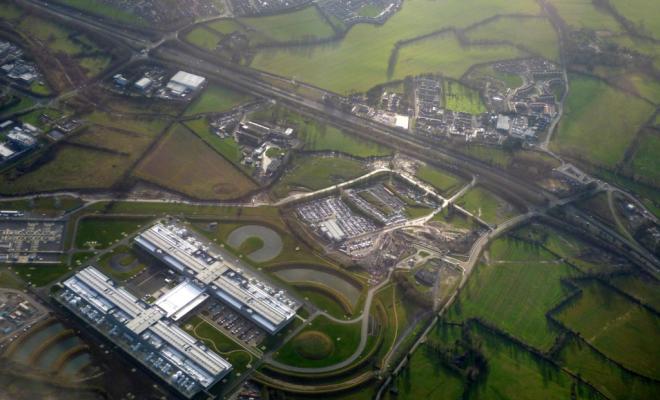
Friends of the Earth has produced this Q&A to help local communities consider the planning and environmental impacts of applications in their local areas.
Tainted timber: Malaysian certification failures and UK imports
17 Mar 2026
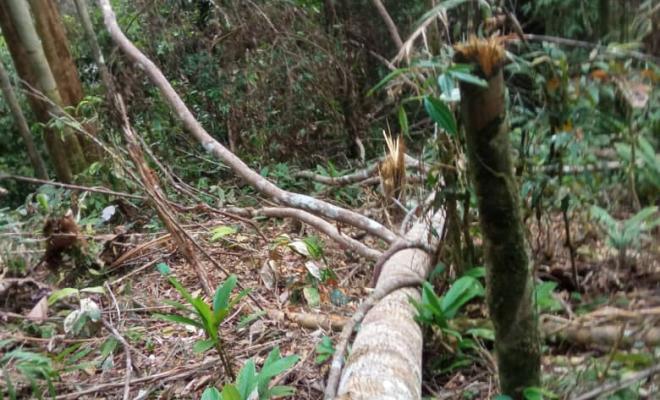
Our new investigation, Tainted timber, reveals serious failings with how timber is being certified as sustainable in Peninsular Malaysia.
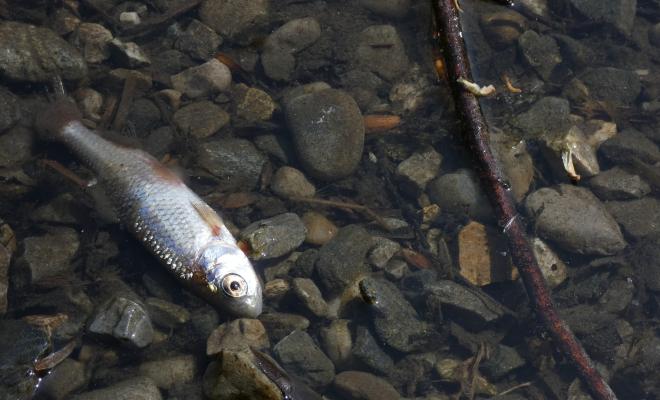
Sewage is a dirty word. Regulation isn't.
Paul de Zylva 11 Mar 2026
The sewage pollution scandal shows the dangers of deregulation and weakening standards. Paul de Zylva asks how present ministers can make up for past failures and reboot regulation for good.
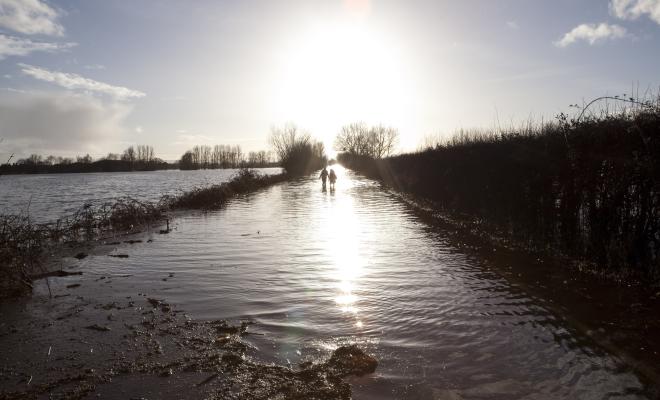
Is flooding in England getting worse?
Mike Childs 25 Feb 2026
New research identifies the areas in England most at risk from flooding and what we can do to manage flood risk.
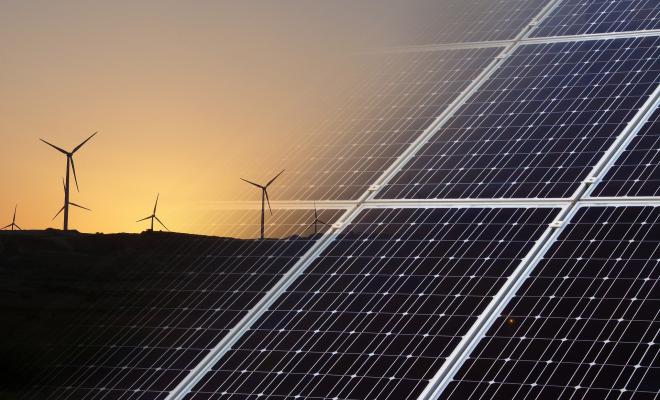
Fact check: British farming and renewables
Sandra Bell 19 Feb 2026
Friends of the Earth's Sandra Bell makes clear: climate change threatens British food security, not solar farms. Using under 1% of UK farmland, renewables leave room for both energy and agriculture. Agrivoltaics let crops thrive under panels and wind farms can diversify farm incomes. The countryside needs renewables, not a retreat from climate action.
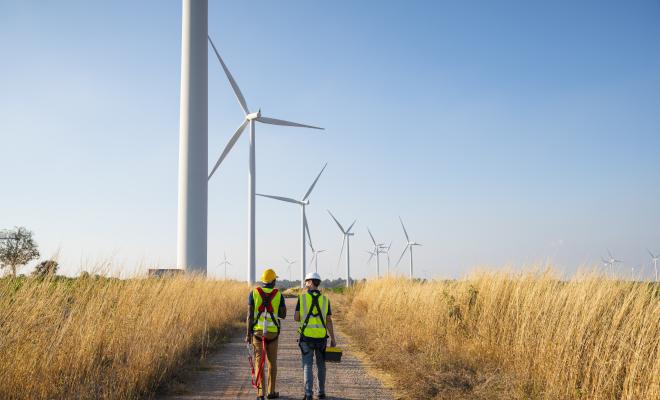
Fact check: the reliability of renewable energy
Sandra Bell 03 Feb 2026
Friends of the Earth’s Sandra Bell addresses claims that the UK must drill more North Sea gas and pursue fracking due to limits on renewable energy, showing how renewables can reduce exposure to gas price shocks and ease cost-of-living pressures.

Fact check: Why are our energy bills so high?
Sandra Bell 03 Feb 2026
Friends of the Earth’s Sandra Bell examines claims that support for renewable energy is to blame for the UK’s high energy bills, and sets out the evidence showing how renewables help cut costs and reduce cost-of-living pressures.
Fact check: the real cost of net zero
Sandra Bell 03 Feb 2026
Friends of the Earth's Sandra Bell analyses disinformation about the cost of net zero transitions and challenges claims that scrapping climate action will save billions.
Fact check: why climate policies aren't a war on drivers
Sandra Bell 28 Jan 2026
Friends of the Earth’s Sandra Bell examines claims that restrictions on petrol cars and the transition to electric vehicles amount to a ‘war on drivers’, and sets out the evidence showing why scrapping these policies would not save money.